



About Cambridge IGCSE ICT
Cambridge IGCSE Information and Communication Technology is syllabus 0417. This page works from the syllabus for exams in 2026, 2027 and 2028. Exams are available in the June and November series.
All candidates take three components, and all candidates are eligible for grades A* to G. There is no Core and Extended tier, so every student sits the same papers.
Paper 1 is Theory. It lasts 1 hour 30 minutes, carries 80 marks and is worth 40% of the qualification. The questions are based on sections 1 to 21 of the subject content, all questions are compulsory, and it is externally assessed.
Paper 2 is Document Production, Databases and Presentations. It lasts 2 hours 15 minutes, carries 70 marks and is worth 30%. It is a practical test of the skills needed to use the applications covered in sections 17, 18 and 19, and candidates must also demonstrate the practical skills relevant to sections 11 to 16. All tasks are compulsory.
Component 3 is Spreadsheets and Website Authoring. It also lasts 2 hours 15 minutes, carries 70 marks and is worth 30%. It is a practical test of the applications in sections 20 and 21, and candidates must again demonstrate the practical skills relevant to sections 11 to 16. All tasks are compulsory.
So most of this qualification is hands-on work on a computer, split evenly between two papers of equal weight. That is the defining feature of the subject, and it changes how the course has to be taught: a student cannot prepare for ICT the way they prepare for a content subject, because most of the marks are produced by doing rather than by writing.
The split between the practical papers is by application rather than by difficulty. Paper 2 covers document production, databases and presentations. Component 3 covers spreadsheets and website authoring. Both papers draw on the same shared foundation in sections 11 to 16, which is file management, images, layout, styles, proofing, and graphs and charts. That shared base is worth understanding, because it means practice on layout and image handling counts twice.
The subject content has 21 sections. Sections 1 to 10 are the theory backbone: types and components of computer systems, input and output devices, storage devices and media, networks and the effects of using them, the effects of using IT, ICT applications, the systems life cycle, safety and security, audience, and communication.
Sections 11 to 16 are the transferable practical skills: file management, images, layout, styles, proofing, and graphs and charts. Sections 17 to 21 are the application areas: document production, databases, presentations, spreadsheets, and website authoring.
That arrangement is worth naming because it explains the shape of the practical papers. A student who is fluent in file management, images, layout, styles, proofing and charts has done the groundwork for both papers, and then needs specific practice in the three applications on Paper 2 and the two on Component 3.
The syllabus also notes that where the term including is used in the content, everything listed must be studied, and that the lists are not exhaustive and other related aspects should be covered. So the content is a floor rather than a ceiling, particularly in the theory sections.
The assessment objectives are three. AO1 is recall, select and communicate knowledge and understanding of ICT. AO2 is apply knowledge, understanding and skills to produce ICT-based solutions. AO3 is analyse, evaluate, make reasoned judgements and present conclusions.
The overall weightings are AO1 at 32 per cent, AO2 at 60 per cent and AO3 at 8 per cent of the qualification. Application dominates.
The per component weightings are extreme, and they are the most useful thing to understand about the structure. Paper 1 is 80 per cent AO1, nothing on AO2 and 20 per cent AO3. Paper 2 is 100 per cent AO2 and nothing else. Component 3 is also 100 per cent AO2 and nothing else.
So the theory paper cannot award a mark for producing a solution, and the practical papers cannot award a mark for explaining one. A student who understands systems but cannot perform under time pressure on the software will lose most of the qualification, and a student who is quick on the software but weak on theory will lose the theory paper. Neither ability can carry the other.
The qualification is graded A*, A, B, C, D, E, F or G, with A* the highest and G the lowest. A candidate whose performance does not meet the standard required for grade G is ungraded, which is reported on the statement of results but not on the certificate.
Who Cambridge IGCSE ICT 0417 Is For
This course suits students sitting Cambridge IGCSE ICT 0417 who use software comfortably but work slowly, because both practical papers are timed and every task is compulsory.
- Students sitting Cambridge IGCSE ICT 0417, in the June or November series
- Students who can explain a system but cannot build the file in time
- Students who are quick on the software but have not learned the theory
- Students who have never practised databases or website authoring under a clock
- Students who assume the practical papers test the same applications

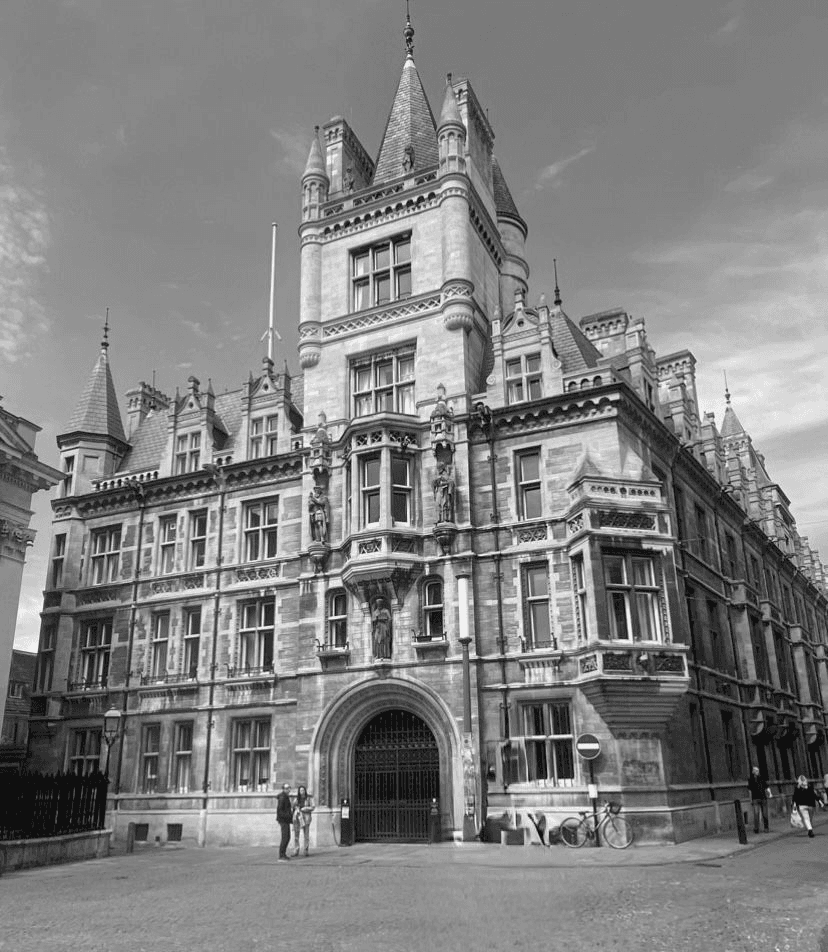

Cambridge IGCSE ICT: The Board We Cover
Cambridge is the board this page covers. Every fact here comes from Cambridge International's own 0417 syllabus.
Cambridge
Cambridge IGCSE ICT is syllabus 0417, 21 sections, a theory paper worth 40% and practical papers worth 30% each on different applications.

How Centaurus Helps Cambridge IGCSE ICT Students Excel
Both Papers Covered
Document production, databases and presentations for Paper 2, and spreadsheets and website authoring for Component 3, are taught as separate skills.
The Shared Foundation
File management, images, layout, styles, proofing and charts underpin both practical papers, so that work counts twice.
Timed Practice
Both practical papers are 2 hours 15 minutes with every task compulsory, so technique is rehearsed against a clock.
Theory Not Neglected
Paper 1 is 40% and based on all 21 sections, so the systems, networks and security content is taught properly.
All 21 Sections
From computer components to website authoring, with the syllabus's own note that the lists are not exhaustive.
24/7 Progress Reporting
Families get access to the Centaurus Academy LMS, with attendance, progress and lesson notes available to parents, students and teachers at any time.





Why Centaurus Stands Out
Choosing the right Cambridge IGCSE ICT support makes a real difference. Here is how Centaurus Academy compares with typical online providers.

Meet our Team Of Experts
Our expert tutors bring deep subject knowledge and a passion for teaching — helping every student reach their full potential.


What Parents Say About Us

Hear from the parents and students who have experienced our personalised teaching first-hand.
Excellent long-term experience
We have an excellent long-term experience with the academy and Sir Awais. Our three children studied with them during different periods and succeeded well. We highly recommend the academy.
Excellent academy
Centaurus Academy is truly one of the best educational institutions I've come across. The environment is nurturing, the staff are incredibly dedicated, and the quality of education is outstanding. They focus not only on academic excellence but also on character building and personal growth. The teachers are supportive and go the extra mile to ensure every student feels confident and motivated.
My child has gained confidence
I'm very satisfied with the dedication and teaching approach. My child has gained confidence and improved significantly in understanding math concepts, thanks to the teacher's clear explanations and supportive guidance.



Cambridge IGCSE ICT: Frequently Asked Questions
Explore Tutoring by Country:
Pick your country to see the boards, levels, and subjects our tutors cover near you.




Step Into Your Success
Book a demo lesson today and see how one-on-one tutoring can help your child reach their goals.